Choosing the Right Polaris Dune Buggy for Dubai Desert Driving
Choosing the right dune buggy for the Dubai desert is less about chasing the biggest machine and more about matching the vehicle, route and driver. The desert changes quickly. Soft sand, firm tracks, heat and long stretches between landmarks all affect how comfortable and controlled the drive feels. A sensible choice starts with the driving experience you want, then works back to the vehicle and the support around it.
Start with the kind of drive you want
Before comparing models, decide what the day should feel like. A short, gentle outing on softer dunes asks for different priorities than a longer off-road route with steep climbs and fast descents. If the aim is photography and a relaxed desert safari, stability, easy handling and clear visibility matter most. If the aim is a more spirited ride across changing dunes, power delivery, suspension travel and braking confidence become more important.
Think about who will be driving. An experienced off-road driver may enjoy a livelier all-terrain vehicle, while a first-timer usually benefits from predictable acceleration and a less aggressive seating position. Passengers also change the decision. A buggy that feels light and responsive with one occupant may feel less settled when carrying more weight and gear. Dune Buggy Dubai official site research can help frame the comparison, but the real starting point is the route and the people on board.
Set your experience level honestly
Be precise about driving ability. Sand driving is not the same as driving on a road or a hard-packed trail. Momentum, steering input and the angle of approach all matter. A vehicle with strong acceleration can be fun, but it can also punish hesitant or overly sharp control. A beginner should look for a buggy that responds smoothly and does not demand constant correction.
It helps to ask how much instruction is included with the outing. A guided tour can make the first desert drive far less intimidating because the route, pace and stopping points are managed. Watch for guidance that covers more than simply pointing out the dunes. Useful support includes a briefing on hand signals, safe following distance, when to slow down and what to do if the vehicle becomes stuck in soft sand.
For confident drivers, the choice can lean toward a more capable machine. Even then, desert conditions reward restraint. A buggy that allows steady control on climbs and slopes is usually a better pick than one that only feels exciting on flat ground.

Match the vehicle to the terrain
The Dubai desert is not one surface. Some areas have broad, rolling sand dunes, while others have tighter tracks, rocky edges or firm ground between sandy stretches. The right vehicle should suit the full route, not just the most photogenic section.
Pay attention to ground clearance, suspension and tyre condition. Good clearance reduces the chance of scraping on uneven ground. Suspension that absorbs bumps helps the driver stay relaxed and keeps passengers from being thrown around. Tyres suited to sand can make steering feel lighter and reduce the chance of digging in. Worn or overinflated tyres can turn a smooth route into a tiring one.
Weight distribution also matters. A buggy with a balanced layout tends to feel more stable when crossing a slope or changing direction on loose sand. If luggage, cameras or extra kit will be carried, check where it sits and whether it can be secured. Loose items can shift during the drive and distract the driver.
When comparing a polaris dune buggy dubai option with other off-road vehicles, avoid judging by engine size alone. Power is useful, but control is what makes the drive feel composed. Look at how the vehicle is set up for sand, how easy it is to enter and exit, and whether the seating supports the driver during side slopes and descents.
Check safety gear and driver fit
Safety should shape the decision from the start, not sit at the end of the booking process. Before choosing a buggy, check that suitable safety gear is provided and worn correctly. This usually includes a helmet, eye protection and gloves. Closed shoes are sensible because feet need protection around pedals and uneven ground.
Seat belts and roll protection deserve close attention. A seat belt should sit snugly across the body without twisting. Seats should hold the driver and passenger in place without forcing an awkward posture. If the seat is too loose, every bump becomes a distraction. If it is too tight, long sections become uncomfortable.
Driver fit is easy to overlook. Reach for the steering wheel, pedals and hand controls should feel natural before the vehicle moves. Visibility should be clear from the driving position, especially to the front corners where dunes can hide the ground ahead. A driver who has to stretch, lean or duck will tire quickly and react less calmly.
Heat is another practical concern. Dubai conditions can make a closed, poorly ventilated ride draining. Lightweight clothing, sun protection and water are sensible for any desert outing. If the buggy has limited shade, plan stops accordingly and avoid treating the drive like a short city trip.
Understand the route before committing
The route defines the character of the experience. Ask where the drive begins, what kind of terrain is included and how long the vehicle time lasts. A route with frequent stops for photos may feel relaxed, while a continuous run across dunes can be more demanding. Both can be enjoyable, but they suit different expectations.
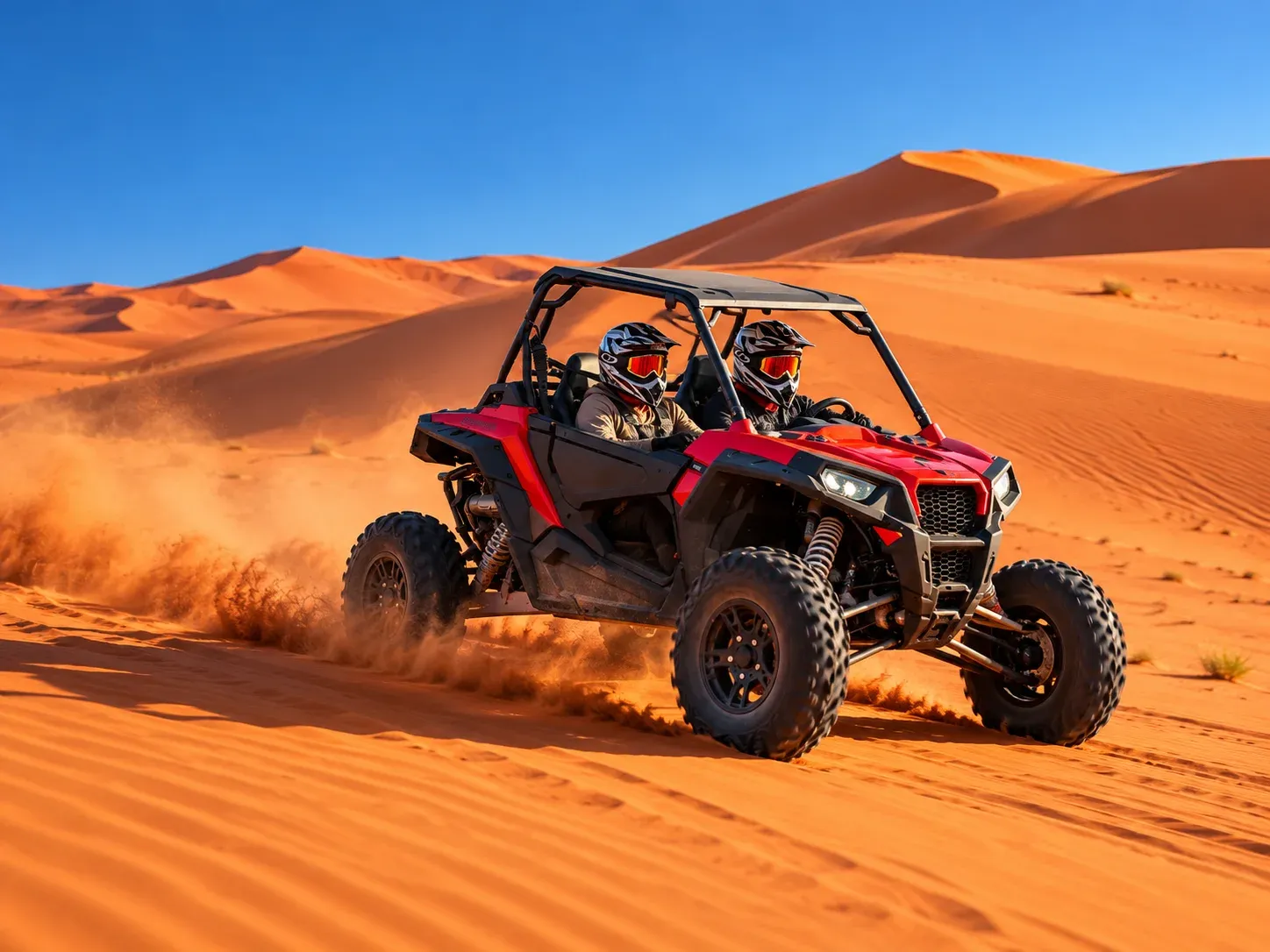
Find out whether the drive follows marked tracks or open desert areas. Marked routes often feel more predictable and may suit first-time drivers. More open terrain can feel expansive, but it calls for stronger navigation and clearer rules about staying together. A guided tour helps here, especially when the group includes mixed experience levels.
Also check the turning points and recovery plan. Soft sand can catch even a capable vehicle, so it helps to know how the group handles delays. Clear communication matters more than a polished sales pitch. The best choice is usually the option that explains terrain, pace and stopping points in plain language.
Dune Buggy Dubai official site details can be useful when comparing route descriptions, especially if the wording is vague. Look for specifics such as the type of dunes, the length of driving time and whether the pace is adjusted for beginners. If those points are unclear, ask before making a decision.
Compare the full package, not just the buggy
A dune buggy outing is a package of vehicle, route, briefing, safety equipment and timing. Choosing only by the model can lead to a mismatch. A capable buggy with poor route planning may feel disappointing. A modest vehicle on a well-managed route can make a far better day.
Look at how the outing is organised. A clear schedule should explain arrival, briefing, driving time, breaks and the end point. Transport to and from the desert may matter, especially for visitors unfamiliar with local roads. If transfer is included, confirm where pickup happens and how long it takes. If it is not included, plan the journey carefully and allow extra time.
Group size can change the feel of the drive. A smaller group often means clearer communication and less waiting. A larger group may feel lively, but it can also reduce flexibility on the dunes. Consider whether the route is paced for the slowest driver or pushed toward faster participants. The right option should match the mood you want.
Check what happens if conditions change. Desert plans may shift because of wind, heat or sand quality. Good communication about changes is a sign of a well-run experience. Vague answers can leave visitors unsure about what they are actually buying.
Ask practical questions before you decide
A few focused questions can prevent most common mistakes. Ask who the outing suits best, what previous driving experience is expected and how the vehicle is prepared for sand. Ask about safety gear, seat fit and whether eye protection is provided. Confirm the driving time and the terrain, since a long route over rough ground can be more tiring than a shorter one.

It is also fair to ask how the pace is managed. A responsible answer should mention control, spacing between vehicles and clear signals. If the conversation focuses only on speed, treat that as a warning sign. The dunes reward patience, and the most memorable drives usually feel smooth rather than rushed.
Where mechanical issues are concerned, leave diagnosis and repair to a qualified professional. Drivers should not try to adjust or bypass safety components, work on a vehicle while it is running, or interfere with mechanical systems. If something sounds wrong, feels unstable or triggers a warning, the sensible response is to stop safely and report it.
Make the final choice with calm judgment
By this point, the decision should be practical rather than flashy. Choose the buggy that fits the driver, the route and the level of support. A first desert drive calls for predictability, clear briefing and a manageable pace. A more experienced outing can include a livelier vehicle, provided the terrain and safety setup still make sense.
Read the details slowly and compare like with like. Driving time, route type, safety gear and guidance matter more than bold descriptions. When a choice is presented clearly, it is usually easier to tell whether it fits the day you have in mind. The right polaris dune buggy dubai choice should leave you feeling prepared, comfortable and ready to enjoy the desert rather than simply impressed by a machine on paper.